


MENA Pulse – February 2026 Edition
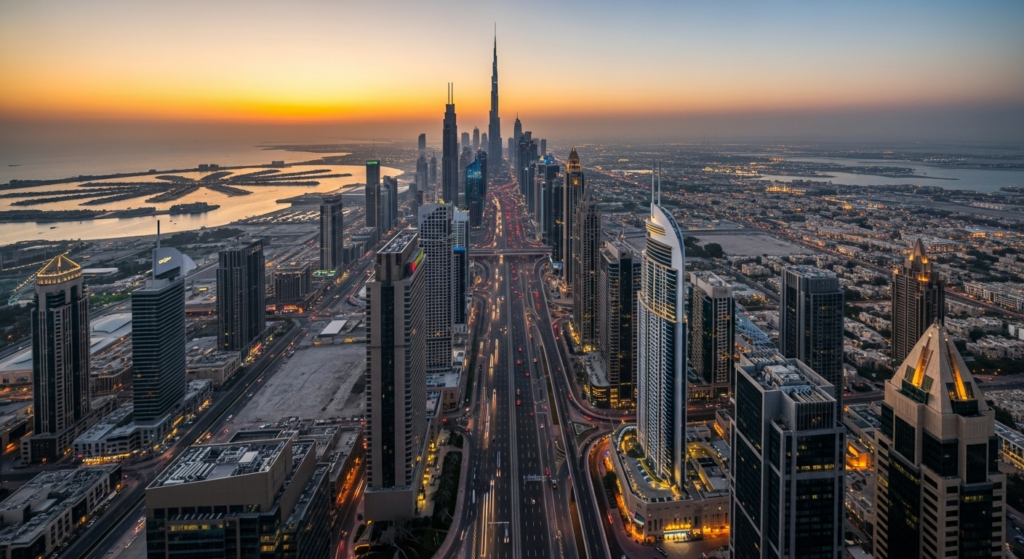
The first month of 2026 did not produce disruption.
It delivered confirmation.
Across the Gulf Cooperation Council and wider MENA region, early-year data suggests a year defined less by acceleration and more by disciplined execution. Reform trajectories are holding. Growth paths are visible. Policy signals are steadier.
Here are the signals shaping 2026.
QATAR: ENERGY SCALE, BROADER DEPTH
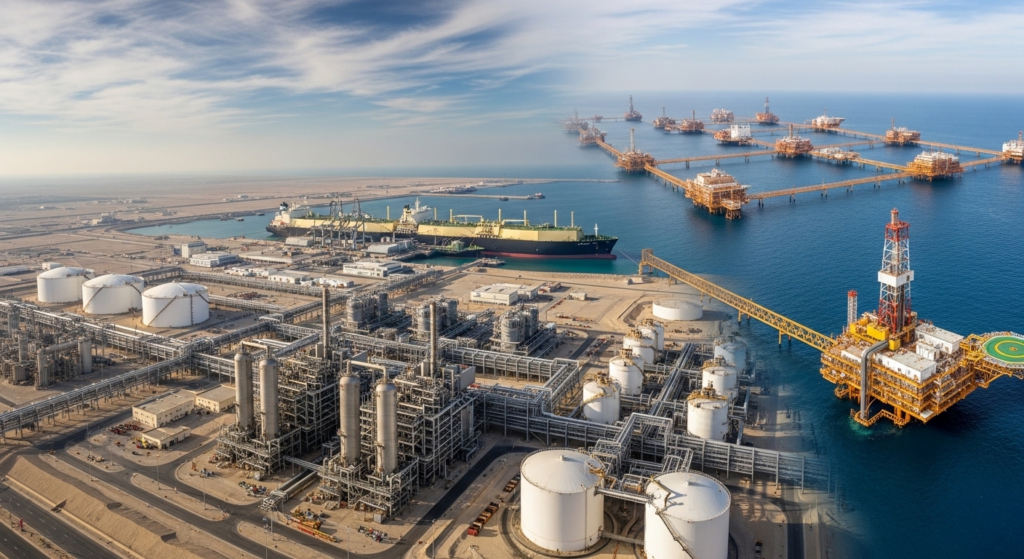
IMF projections indicate Qatar among the stronger performers in the region for 2026, with real GDP projected around 6% and inflation remaining contained.
LNG capacity expansion remains central. Yet the deeper signal lies in infrastructure investment, financial services growth, and capital expenditure reinforcing the wider economy.
Capacity is expanding. Economic depth is following.
UNITED ARAB EMIRATES: TRADE BREADTH AND STRUCTURAL RESILIENCE
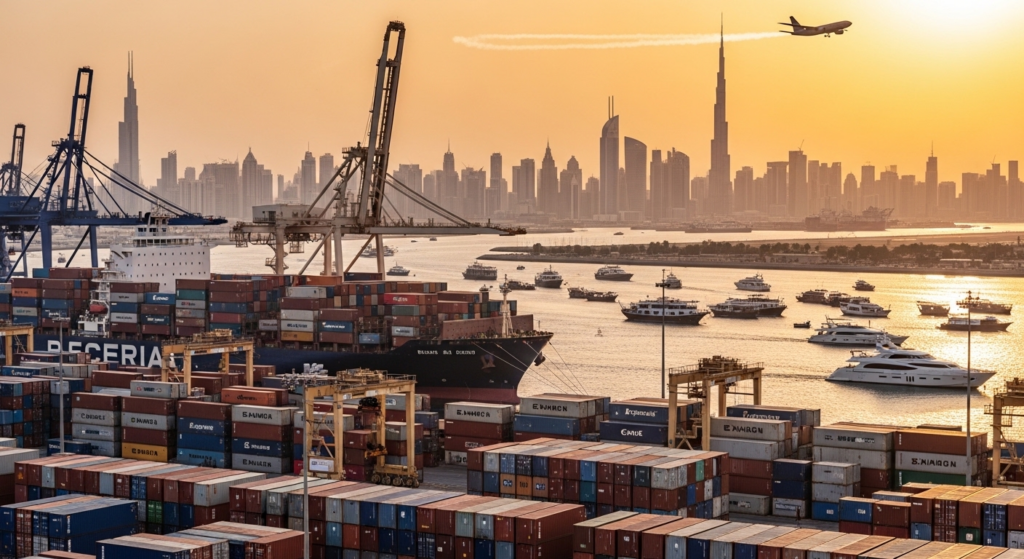
The UAE’s 2026 outlook remains robust, with official projections indicating growth near 5%.
Total foreign trade is expected to exceed $1 trillion, reflecting expanding global linkages and diversified sectoral contribution across logistics, financial services, advanced manufacturing, and tourism.
The strength is not cyclical. It is structural breadth.
BAHRAIN: FISCAL MODERNISATION WITH PREDICTABILITY

After nearly two decades in development, Guggenheim Abu Dhabi confirmed in December that it will open in 2025.
Bahrain has proposed introducing a 10% corporate income tax on large multinational enterprises beginning January 2027.
The reform aligns with global minimum tax frameworks and forms part of a broader fiscal sustainability strategy.
The message is clear: Modernisation without volatility.
WIDER MENA OUTLOOK: STABILITY, REFORM, DIFFERENTIATION
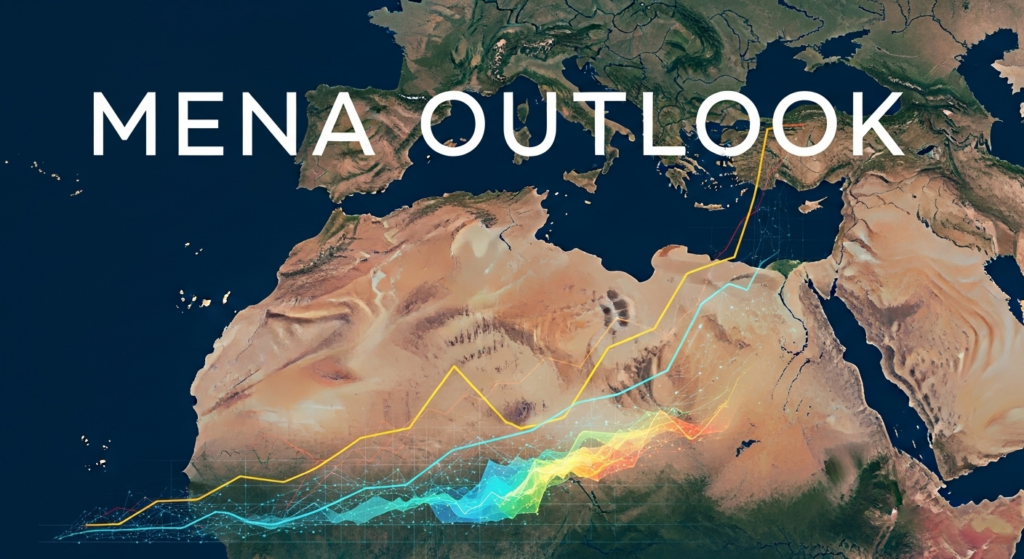
Beyond the GCC, the broader MENA region enters 2026 with a mixed but gradually improving outlook.
IMF projections suggest moderate strengthening across emerging and developing MENA economies, supported by:
- Gradual easing of inflationary pressures
- Structural reform programs
- Tourism and services recovery
- Improved external balances in several markets
Egypt continues fiscal consolidation and currency stabilisation efforts under multilateral frameworks. Morocco advances industrial export diversification. Jordan maintains reform momentum supported by international financing partnerships.
Investors are increasingly differentiating economies not by headline growth — but by policy credibility and execution continuity.
REGIONAL PATTERN: 2026
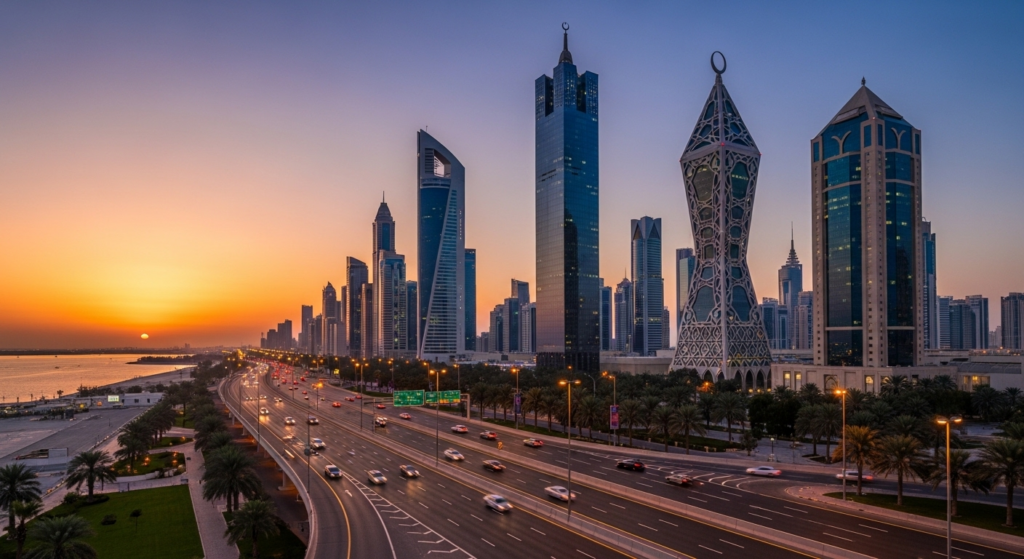
The IMF projects GCC growth at approximately 3% in 2025, rising toward 4–5% in 2026, supported by gradual hydrocarbon production normalisation and sustained non-oil expansion.
Three themes are emerging:
- Non-oil sectors are gaining structural weight
- Fiscal systems are modernising toward sustainability
- Execution capability is becoming the primary differentiator
The narrative of 2026 is not speed.
It is consistency.
FEBRUARY REFLECTION
January delivered clarity rather than volatility.
Growth trajectories are visible.
Reform paths are steady.
Capital allocation is increasingly disciplined.
Across MENA and the GCC, 2026 begins with momentum anchored in policy execution rather than announcement.
The advantage this year will belong to those who deliver.
Explore More Insights & Opportunities
Discover detailed funding deals, government initiatives, upcoming conferences,
and expert resources tailored to empower your startup and business growth
Want personalised help for your business?


Stay Sharp, Stay Inspired!
Case studies, expert sessions, strategy trends & consulting stories, all in one place. Follow us to keep in touch